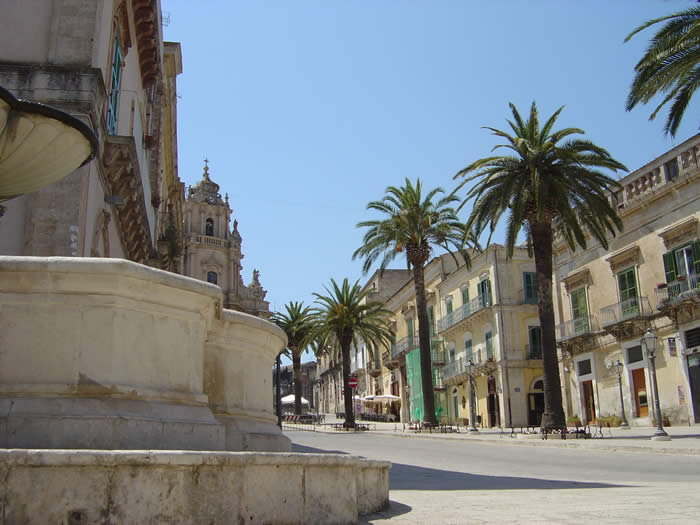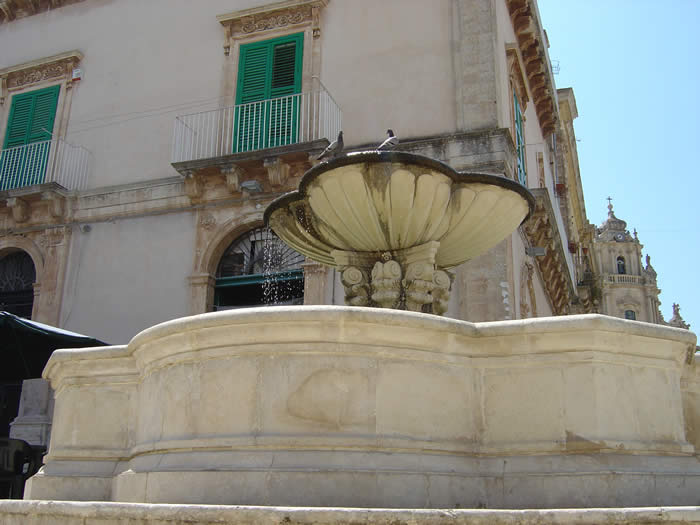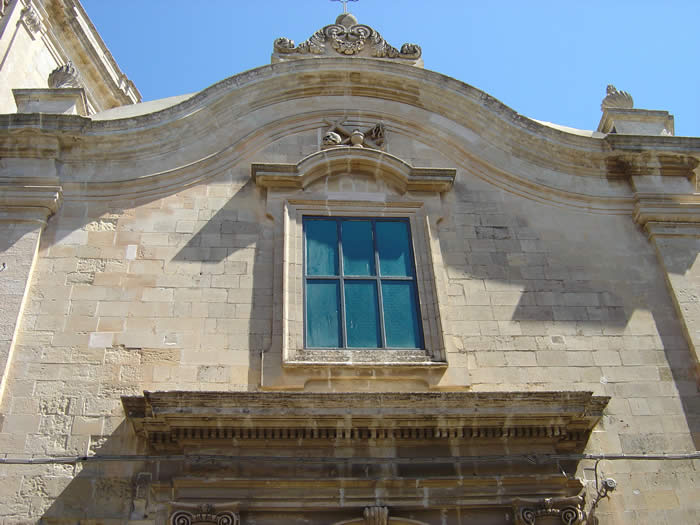
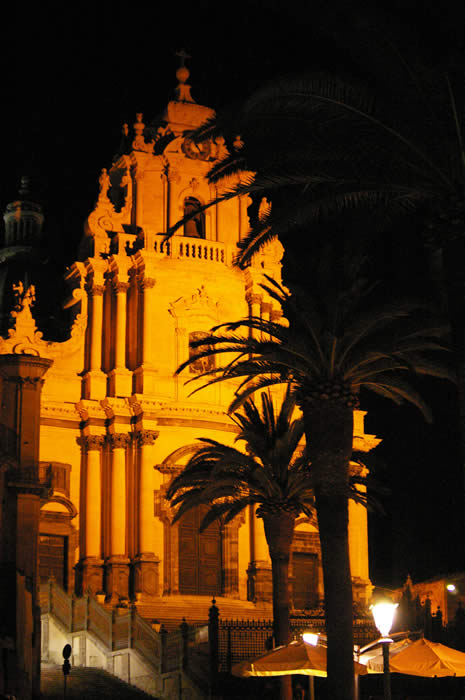
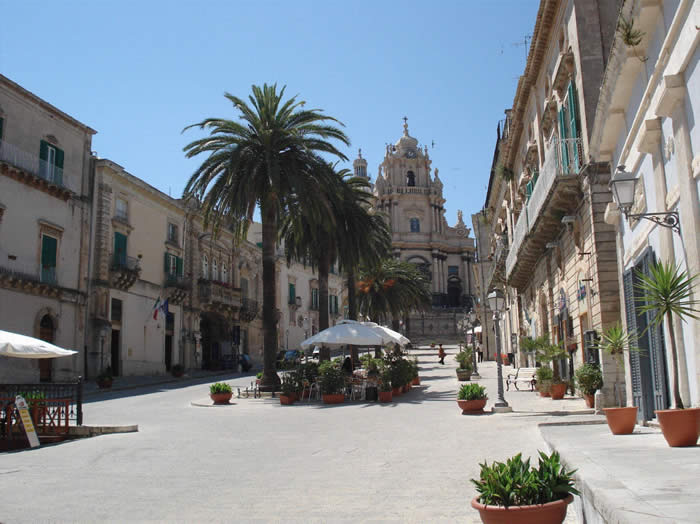
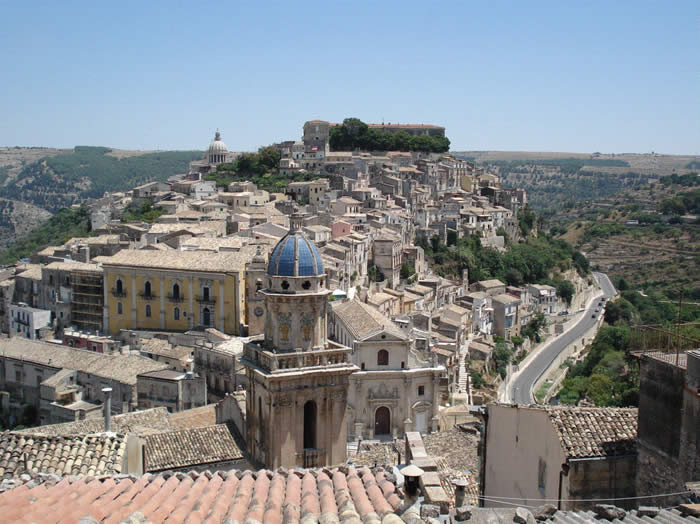
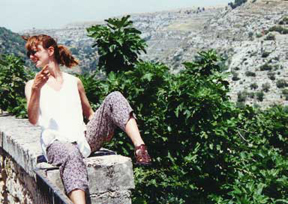
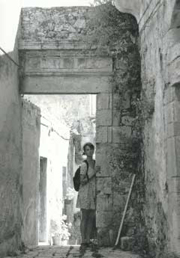
Images of Ragusa Ibla

Sicily

CN Traveller Awards logo

Conde Nast Traveller Readers' Awards 2009

Sicily is First in Conde Nast Traveller Readers' Top 100 list

&

Sicily is First in Conde Nast Traveller Readers' favourite island

Sicily is your favourite holiday destination overall. You gave the island high marks across the board, from 92.36 for climate to 97 for food and 95.36 for people/hospitality, ensuring its place at number one in The World's Top 100.


Ragusa Mayor Mr.Nello DiPasquale


One of the most fascinating towns in Sicily, Ragusa has caused many a visitor’s jaw to drop as they first set eyes on the lower part of the town. Essentially Baroque, the Ragusa you will see today dates almost entirely from 1693. Indeed, it was in this year that Ragusa, along with its neighbours, Modica, Scicli, Noto, was razed to the ground by a terrible earthquake that hit most of the eastern side of Sicily.

Public opinion on where to rebuild the town was divided, and so a compromise was made. The wealthier, more aristocratic citizens built a new town in a different site, now Ragusa “Superiore”, while the other half of the population decided to rebuild on the original site, on a ridge at the bottom of a gorge, now Ragusa Ibla. The two towns remained separated until 1926 when they were merged to become the chief town of the province, taking the place of Modica.

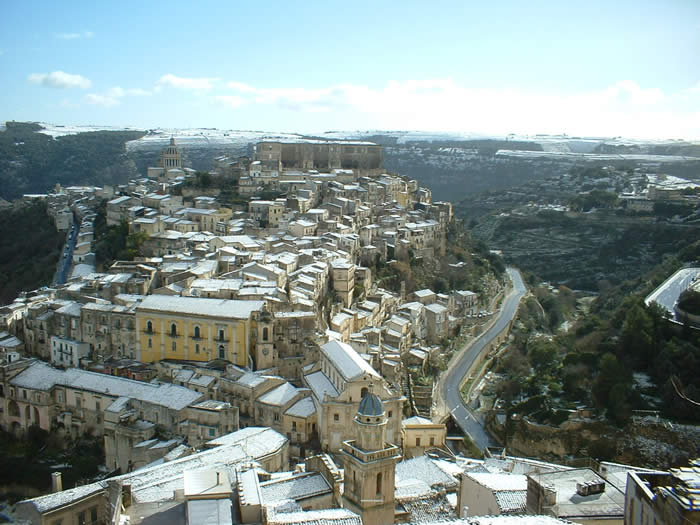
While the upper part has its fair share of architectural delights, it is the smaller Ragusa Ibla down below that really draws visitors. Whether you approach it from Modica to the south or from Ragusa Superiore, the sight of the jumble of houses, churches and civic palazzi piled on top of each other, clinging to the walls of the gorge, is really quite breathtaking. Although seemingly Mediaeval from a distance, once you enter the town’s heart, the Baroque logic of its plan becomes more obvious.

The town is part of the Val di Noto UNESCO Heritage site and 18 of its buildings are protected by UNESCO patronage. It would be excessive to list them all here, but a few gems to look at are listed below. The best thing to do is just to walk, and admire man’s resilience in the face of natural disaster.

In Ragusa Ibla:
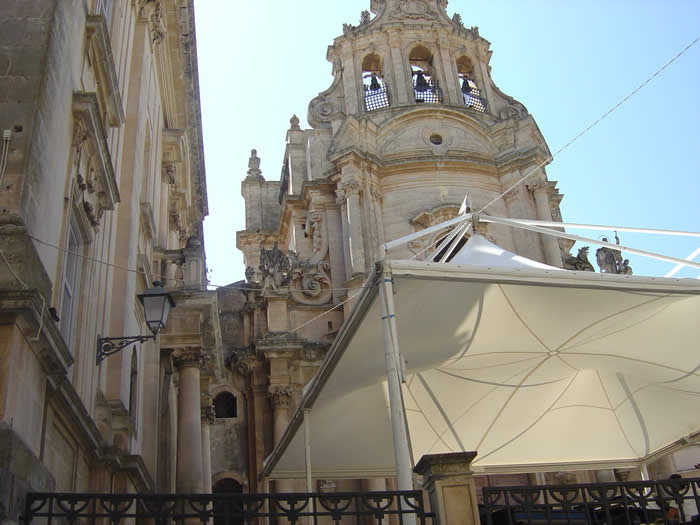
The Basilica di San Giorgio, built in 1738 by Rosario Gagliardo. It lies at the top of some 200 steps and has an impressive neoclassical dome that was added in 1820.
“Giardino lbleo". The Hyblean Gardens offer some fantastic views of the town.
The Chiesa di Maria delle Scale (St. Mary of the Stairs) lies between Ragusa Superiore and Ragusa Ibla. It was not totally destroyed by the 1693 earthquake as can be seen from the Gothic Catalan-style arches in the right aisle. As its name might the church is reached via 242 steps, though the reward at the top is worth it.

In Ragusa Superiore:

The Cathedral of San Giovanni Battista, previously situated under the walls of the Mediaeval castle, was rebuilt twice, as the first version was deemed unsuitable. The version that you will see today was built in 1718 in an archetypal, extravagant Sicilian Baroque style.


Duomo San Giorgio              San Giorgio Piazza                                                            A view of Ibla (downtown) from Ragusa (uptown)     Kelly Knox in via del  Mercato  

in Ragusa Ibla
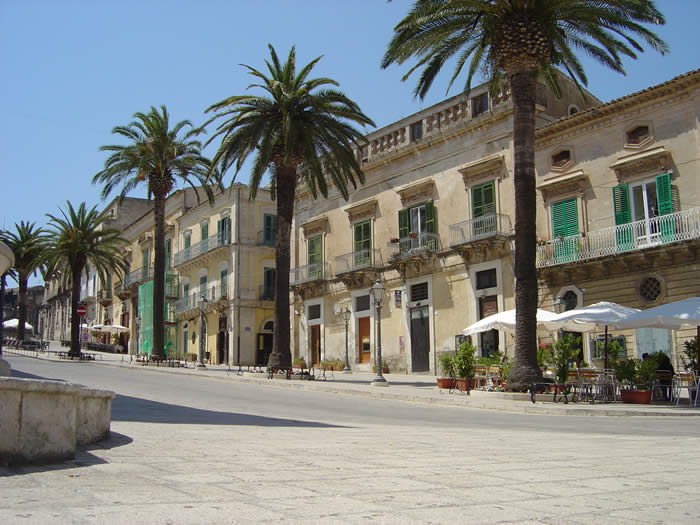
     

San Giorgio Piazza
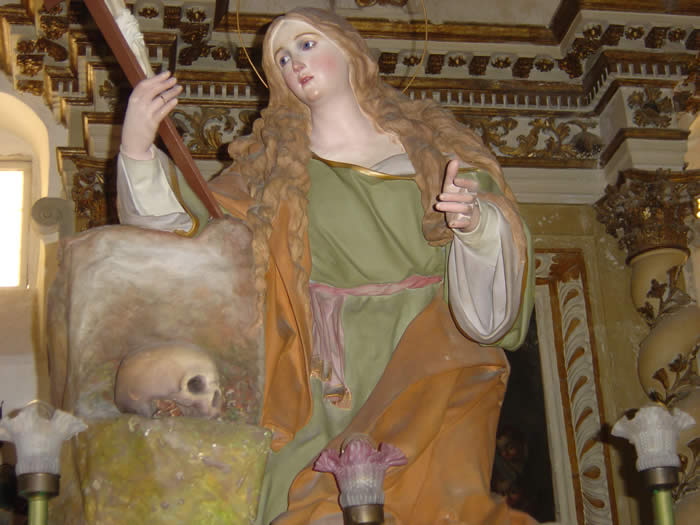
         

Chiesa Maddalena                                                            San Tommaso
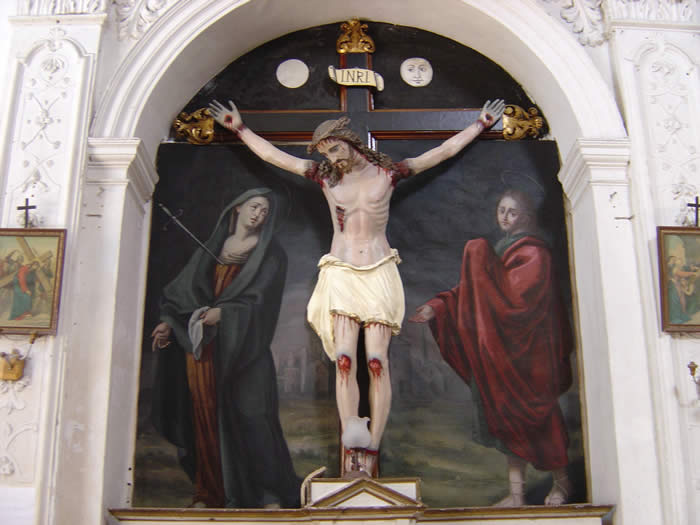
         

                                                                                                                                                                                              a rare view of snow covered Ibla                                  Piazza Pola
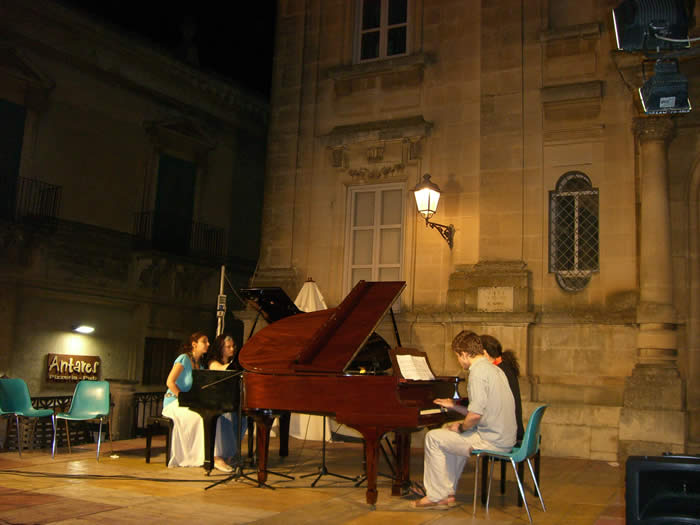
     

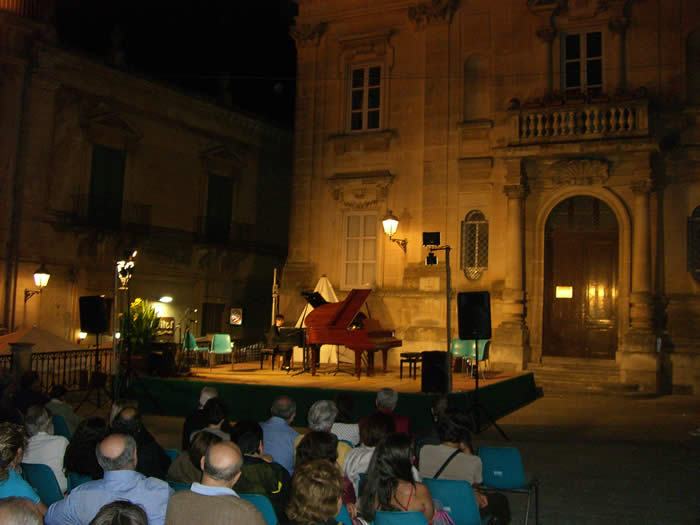
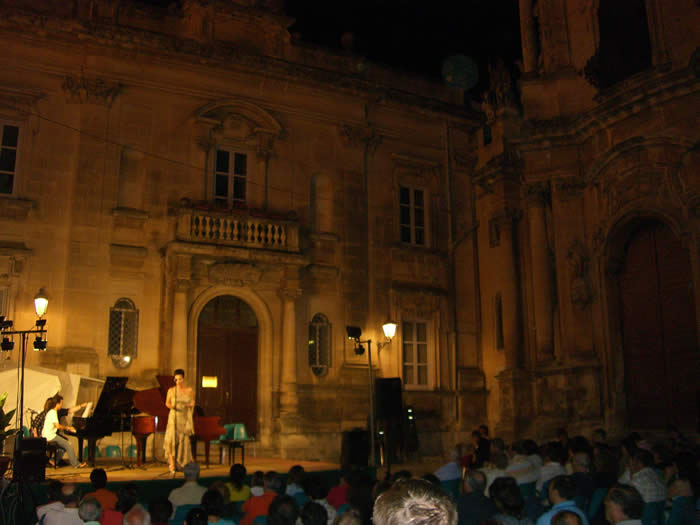
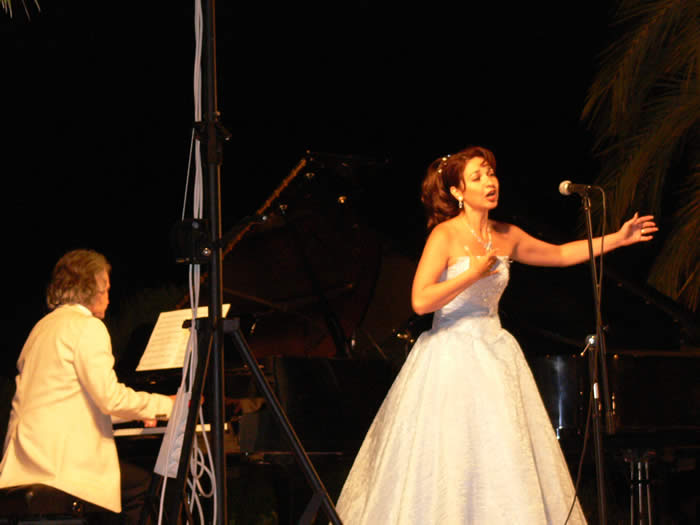
IBLA Winners pianist Laura Pauna (South Africa), pianist Cara Hesse (South Africa), pianist Macieji Granat (Poland), pianist Alessio Quaresima (Italy),      Winner pianist Eugene Gutchin & soprano Victoria Galtseva

soprano Adrienne Miks (Hungary) performing evening concerts in Piazza Pola in Ibla                                                                                                                            from Russia
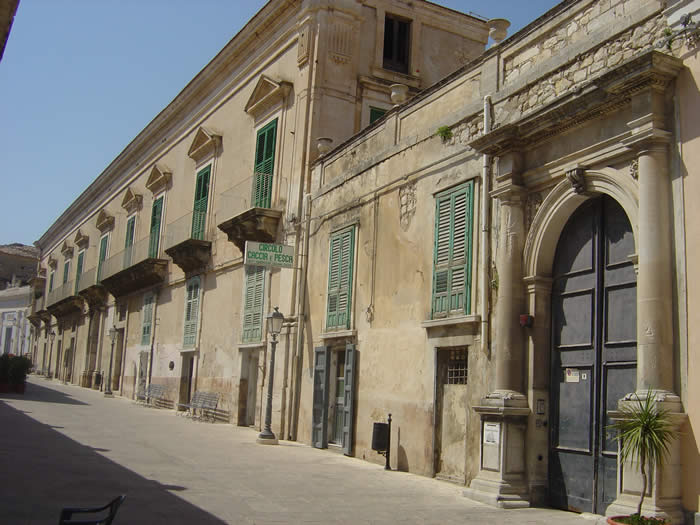


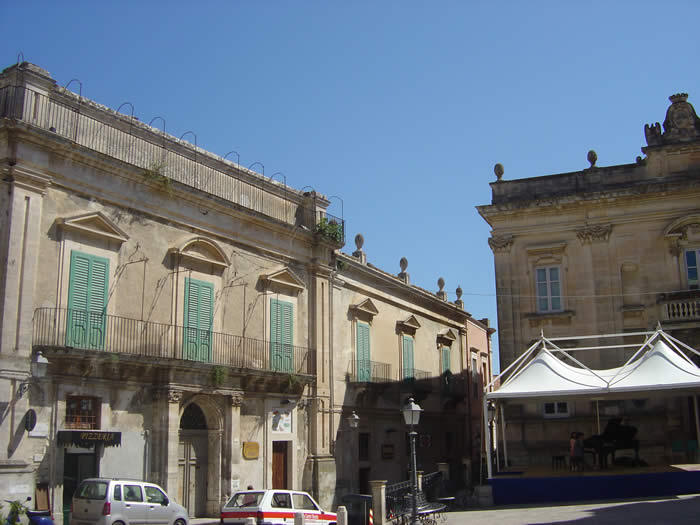
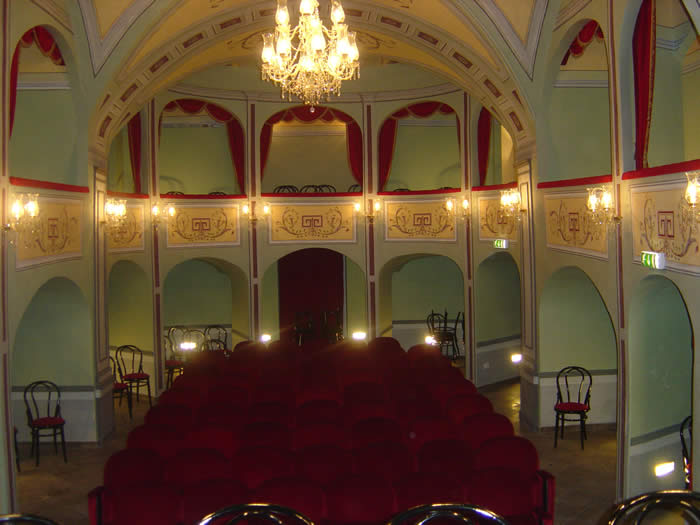
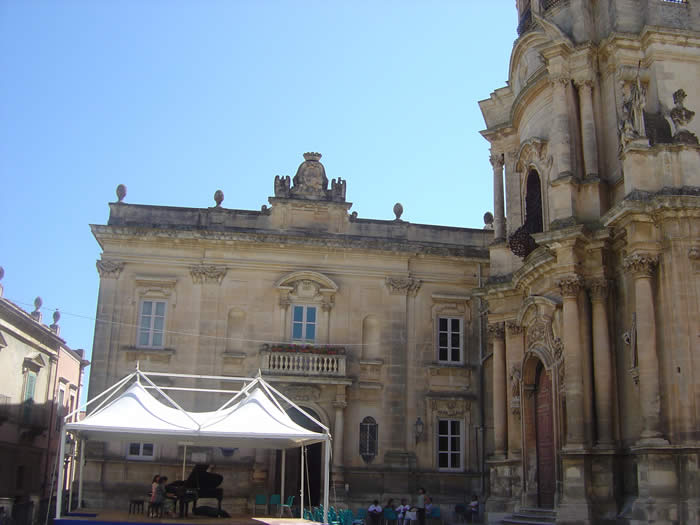
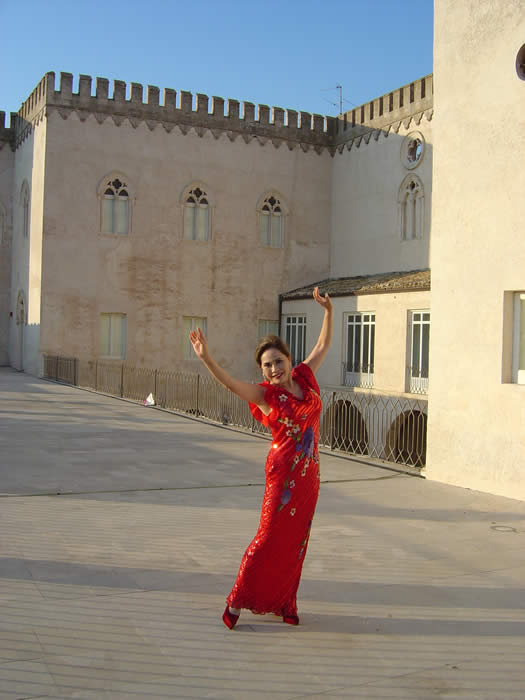
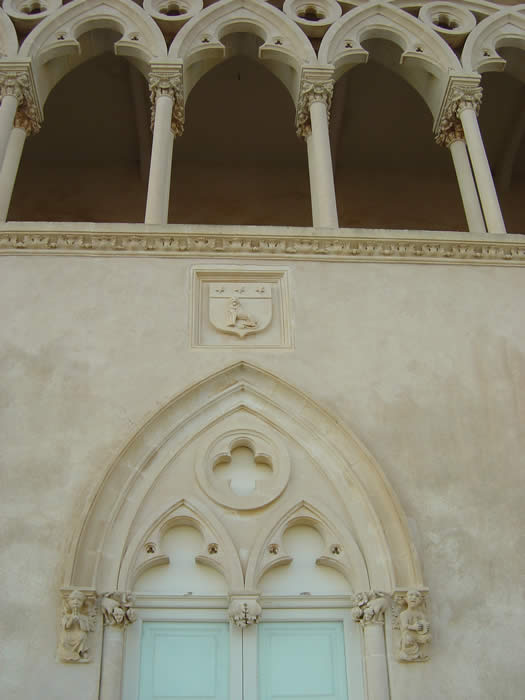
Palazzo Donnafugata Scucces located between           Teatro Donnafugata located within the Palazzo            Piazza Pola                                                                        Piazza Pola

Piazza Duomo and Piazza Pola
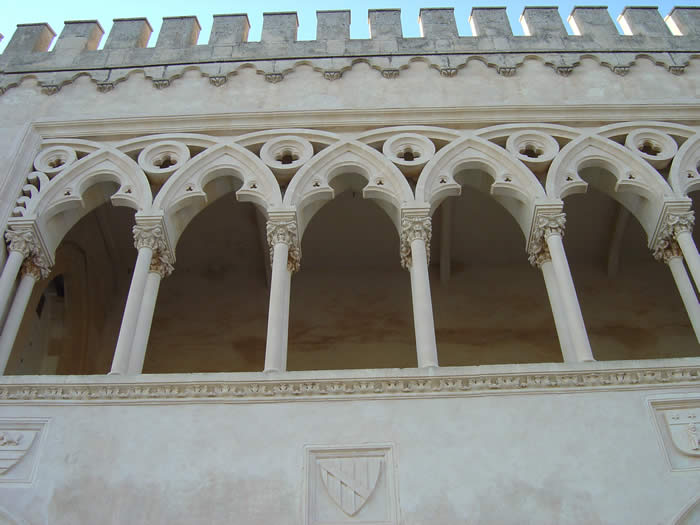


Castello di Donnafugata                                                  Dewi Soekarno